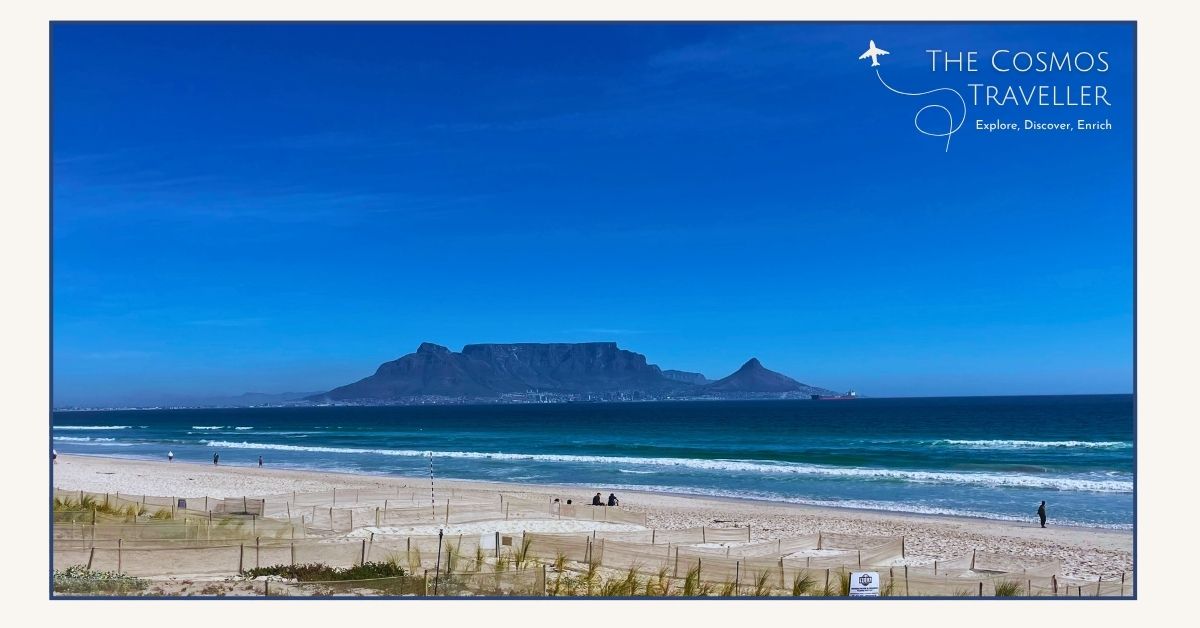

Cape Town is home to some of the most beautiful beaches in the world—but they’re not all created equal. From the polished, palm-lined sands of Camps Bay Beach to the quieter, wilder stretches around Kommetjie Long Beach, each part of the coastline offers something completely different.
I’ve been visiting Cape Town for over two decades now, returning at least once a year since my first trip in 2004. More recently, I’ve spent extended time here—including several months at a time—as part of my transition into a slower, “swallow” lifestyle between the northern and southern hemispheres. Over the years, I’ve explored this coastline in depth, from the iconic coves of Clifton Beaches to lesser-known spots that most visitors completely miss.
This isn’t just another list of beaches. It’s a curated, experience-led guide based on places I’ve personally visited—designed to help you understand where to go, why it matters, and which beaches actually suit your style of travel.
Quick Facts – Cape Town Beaches Guide
📍 Location
Cape Town, South Africa
🌊 Most Iconic Beaches
Clifton Beaches, Camps Bay Beach, Llandudno Beach
🏊 Best for Swimming
Muizenberg Beach, Fish Hoek Beach, Boulders Beach
🌅 Best for Sunsets
Clifton Beaches, Camps Bay, Saunders Rock Tidal Pool
🐧 Most Unique Beach
Boulders Beach to see the African Penguin Colony
📅 Best Time to Visit
November to March (summer)
🌡️ Water Temperature
Cold on the Atlantic Seaboard, warmer along False Bay
💨 Wind Factor
Summer winds (“The Cape Doctor”) can be strong, especially in the afternoons
Cape Town Beaches Map
You will find each beach pinned in my Google Map below.
⭐ Tip: Click the star icon on the map title bar (“Cape Town Beaches Guide”) to save this map to your Google account for easy access later.
Why Cape Town Has Some of the World’s Best Beaches
Cape Town’s beaches stand out not just for their beauty, but for their sheer variety. Few cities in the world offer such a dramatic contrast—where white sand beaches are backed by steep mountains, granite boulders and the wild edge of the Atlantic Ocean, all within minutes of each other.
What makes it even more unique is how different each stretch of coastline feels. On the Atlantic Seaboard, you’ll find polished, picture-perfect beaches like Clifton Beaches, while just a short drive away, the False Bay side offers calmer, warmer waters that are far better suited to swimming.
Then there’s the wildlife. Cape Town’s coastline isn’t just scenic—it’s alive. At Boulders Beach, you can see endangered African penguins up close, one of the few places in the world where this is possible in such an accessible setting.
Many of the city’s beaches also hold Blue Flag status, reflecting consistently high standards of cleanliness, safety and environmental management—something you quickly come to appreciate the more time you spend exploring them.
It’s this combination of raw scenery, variety and accessibility that makes Cape Town’s beaches some of the most memorable I’ve experienced anywhere in the world.

Plan Your Trip With My Favourite Resources







Atlantic Seaboard Beaches (Clifton to Llandudno)
The Atlantic Seaboard is known for its colder water—but it’s also where you’ll find some of Cape Town’s most spectacular beaches and best tidal pools, making swimming far more accessible than you might expect.
If you’re deciding where to base yourself, the Atlantic Seaboard is also home to some of the best areas to stay in Cape Town.
Iconic Beaches (Clifton to Camps Bay)
If you’re after iconic white sand beaches, the stretch between Clifton and Camps Bay is hard to beat. These are Cape Town’s most recognisable beaches—backed by mountains, sheltered from the wind, and perfect for a classic beach day.
They’re all within walking distance of each other, although getting down to Clifton does involve a fair number of steps—something to keep in mind if you’re carrying chairs or a cooler.
Many visitors combine a beach morning here with a hike up Lion’s Head later in the day.
🏖️ Clifton Beaches
There are four beaches at Clifton—simply named 1st through 4th—each with its own distinct feel. Despite sitting side by side, they attract completely different crowds, which is part of what makes Clifton so interesting.
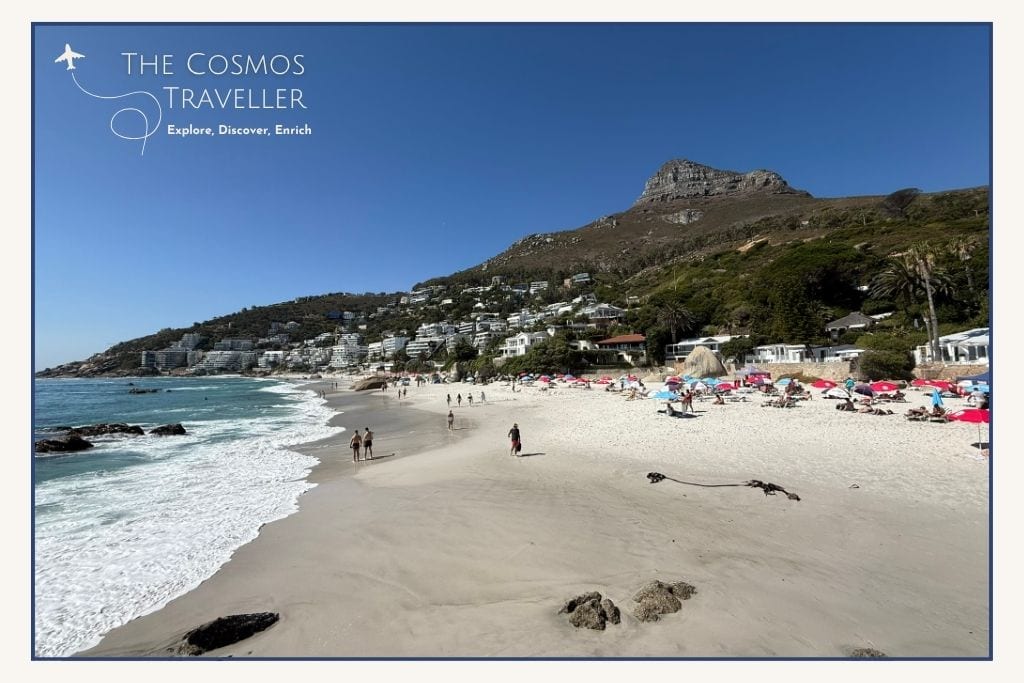
💡 Best for: A classic Cape Town beach day—whether you want something quiet, social, or a bit more lively.
🌿 What it’s like:
Clifton is one of those places that lives up to the hype. The beaches are sheltered by large granite boulders, which helps cut the wind, and the white sand gives it a slightly more polished, almost Mediterranean feel compared to other parts of the coastline.
- 1st Beach is quieter and more laid-back, popular with locals and dog walkers
- 2nd Beach tends to be more social, with some people playing volleyball and socialising in small groups
- 3rd Beach is known as Cape Town’s “gay beach” with a fun, inclusive atmosphere
- 4th Beach is the busiest and most accessible, with the calmest water and Blue Flag status
🌊 Swimming: Best at 4th Beach, where the water is slightly calmer—but expect cold Atlantic temperatures year-round.
📍 Location: Mid-way between Bantry Bay and Camps Bay.
⚠️ Good to know: Access to all Clifton beaches involves steps, which can be a bit of a workout—especially on the way back up.
💡 Top Tip: Arrive early in peak season—especially for 4th Beach—as parking fills up quickly and the best spots on the beach are occupied quickly.
🏖️ Glen Beach
Tucked between Clifton and Camps Bay, Glen Beach feels like a quieter pocket along one of Cape Town’s busiest stretches of coastline. Separated from Camps Bay by large granite boulders, it has a completely different atmosphere.
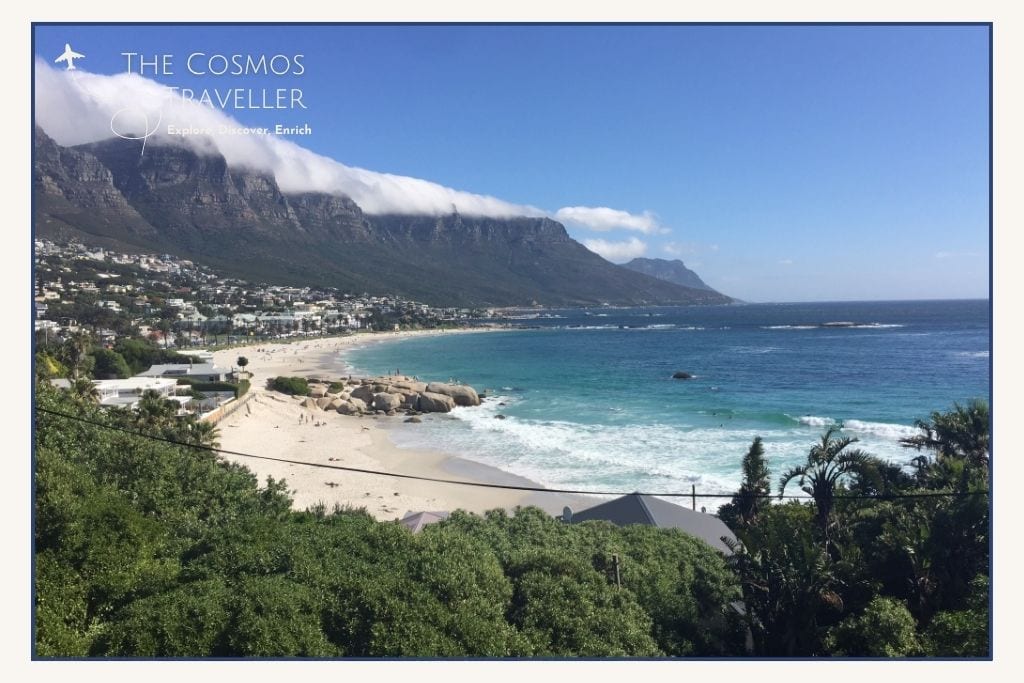
💡 Best for: A more secluded beach with a local, slightly surf-oriented vibe.
🌿 What it’s like:
Glen Beach is one of those spots that’s easy to miss if you don’t know it’s there. Hidden between large granite boulders, it feels more enclosed and private than nearby Camps Bay, despite being just a short walk away. Popular with surfers, expect a more laid back atmosphere. It can also be a good option on windy days due to its more sheltered position.
🌊 Swimming: Possible, but better known for surfing than swimming—expect strong waves and cold water.
📍 Location: Between Clifton 4th Beach and Camps Bay (walkable from both).
⚠️ Good to know: There are no real facilities directly on the beach—head to Camps Bay if you need restaurants or cafés.
💡 Top Tip: Combine Glen Beach with a walk towards Clifton via Maiden’s Cove—it’s one of the most scenic coastal stretches in Cape Town.
🏖️ Camps Bay Beach
If Clifton is polished and tucked away, Camps Bay is its livelier, more social neighbour. This is Cape Town’s most iconic beach—set against the dramatic backdrop of the Twelve Apostles – Table Mountain National Park – and lined with cafés, bars and restaurants just across the road.
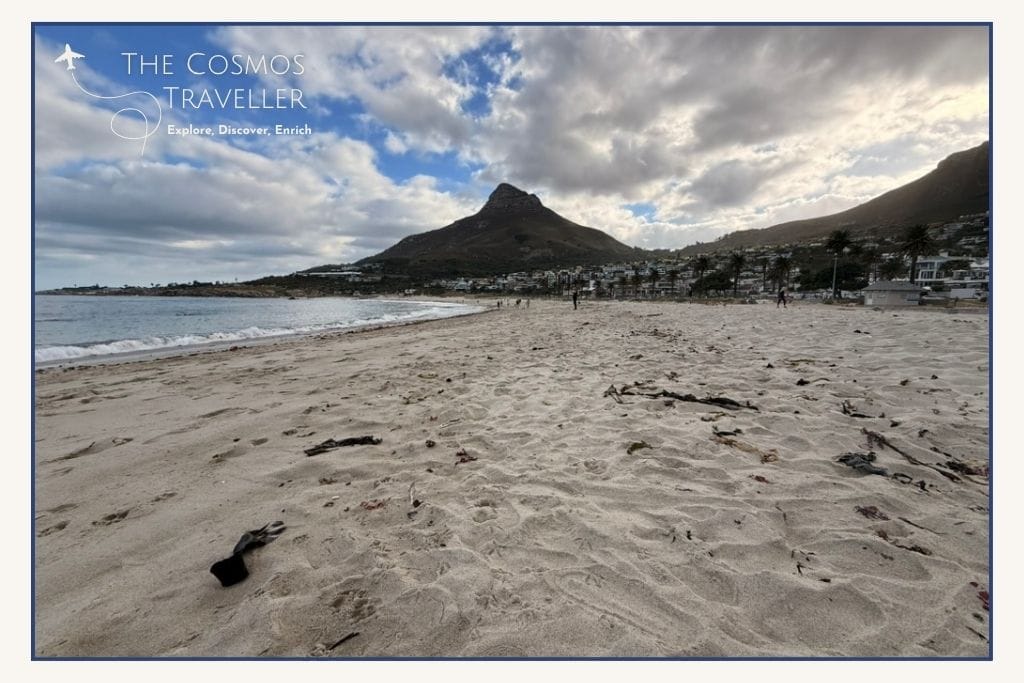
💡 Best for: A lively beach day with restaurants, drinks, and a social atmosphere
🌿 What it’s like:
Camps Bay is one of those places that feels instantly recognisable. The setting is hard to beat—wide white sand, palm trees, and the Twelve Apostles rising sharply behind you—but it’s the atmosphere that really defines it. Expect a mix of locals and tourists. Early morning coffee, a stroll on the beach and a dip in the tidal pool are special as the city wakes up.
🌊 Swimming: Possible, but the water is cold year-round and better suited to a quick dip than a long swim
📍 Location: ~9 km from the V&A Waterfront (15-20 minutes by car)
⚠️ Good to know: It gets very busy in peak season (December–January), and parking can be difficult later in the day
💡 Top Tip: Come early for a quieter experience—or time your visit for sunset, then head across the road for drinks or dinner.
Hidden & Local Favourites
If Clifton and Camps Bay are Cape Town’s headline acts, these are the quieter alternatives. Tucked just out of sight or a little further along the coast, these beaches feel more local, less crowded, and often far more rewarding if you’re looking to escape the main scene.
🏖️ Beta Beach at Bakoven
Just around the corner from Camps Bay, Beta Beach feels like a completely different world. Tucked between large granite boulders in Bakoven, it’s smaller, quieter, and far more understated than its famous neighbours.
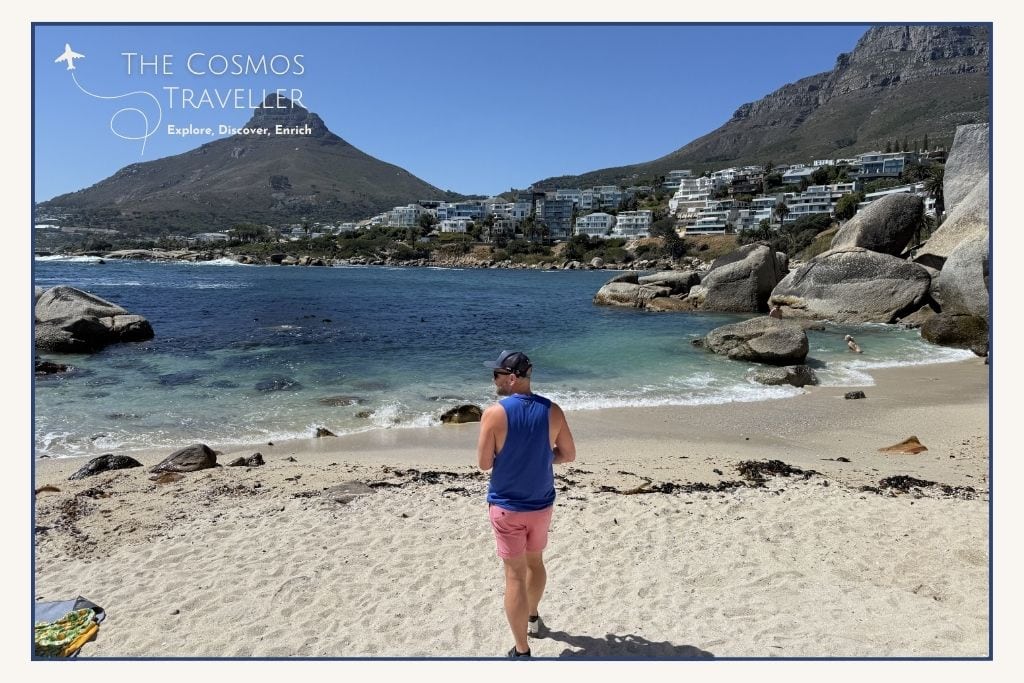
💡 Best for: A quieter, more secluded beach with a slightly exclusive feel.
🌿 What it’s like:
Beta Beach is one of those spots that feels almost hidden in plain sight. Despite being right next to Camps Bay, it has a much calmer, more low-key atmosphere. The beach is compact and more sheltered than the main Camps Bay beach.
🌊 Swimming: Ideal for a gentle dip—calmer water and rock pools make it one of the easier places to cool off on a hot summer’s day.
📍 Location: Bakoven, just south of Camps Bay (access via Beta Road off Victoria Road).
⚠️ Good to know: It’s a very small beach—more “hand-towel sized” than sprawling—so it fills up quickly, especially at high tide.
💡 Top Tip: Arrive early and aim for mid to low tide for more space—this is one of the few Atlantic beaches where you can actually enjoy a relaxed swim.
🏖️ Llandudno Beach
Wedged between Camps Bay and Hout Bay, Llandudno Beach is one of the most beautiful beaches in Cape Town. Framed by enormous granite boulders and backed by steep mountains, it feels more secluded and untouched than many of the city’s better-known beaches.
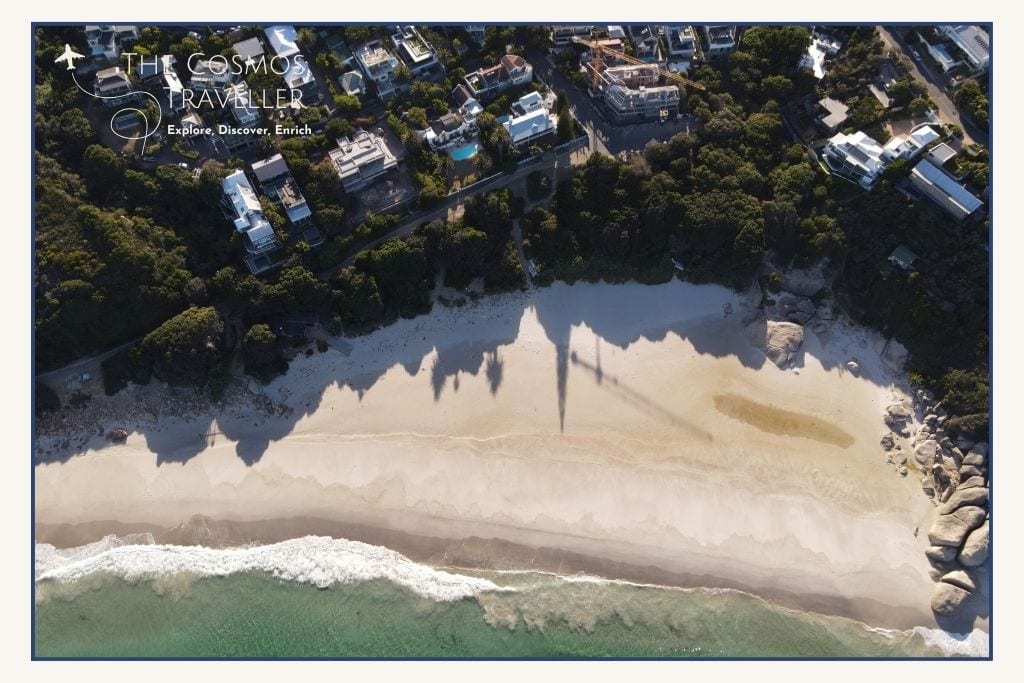
💡 Best for: A scenic, slightly more exclusive beach with incredible sunsets.
🌿 What it’s like:
Llandudno has a very different atmosphere to Camps Bay or Clifton. There are no cafés, shops, apartment blocks or busy promenades here—just soft white sand, turquoise water, dramatic boulders and some of the most expensive homes in Cape Town tucked into the hillside above. Expect a quieter, more relaxed atmosphere. The surrounding large granite boulders make Llandudno one of the most photogenic beaches in Cape Town.
🌊 Swimming: Possible, but the water is icy and the waves can be powerful. It is best suited to confident swimmers and surfers.
📍 Location: Between Camps Bay and Hout Bay
⚠️ Good to know: There are no shops or restaurants directly at the beach or in Llandudno, and parking fills up quickly on warm weekends.
💡 Top Tip: Head to Sunset Rocks on the southern side of the beach for one of the best sundowner spots along the Atlantic Seaboard.
🏖️ Sandy Bay
Hidden beyond the southern rocks of Llandudno, Sandy Bay is one of the most secluded stretches of coastline in Cape Town – and the city’s best-known nudist beach.
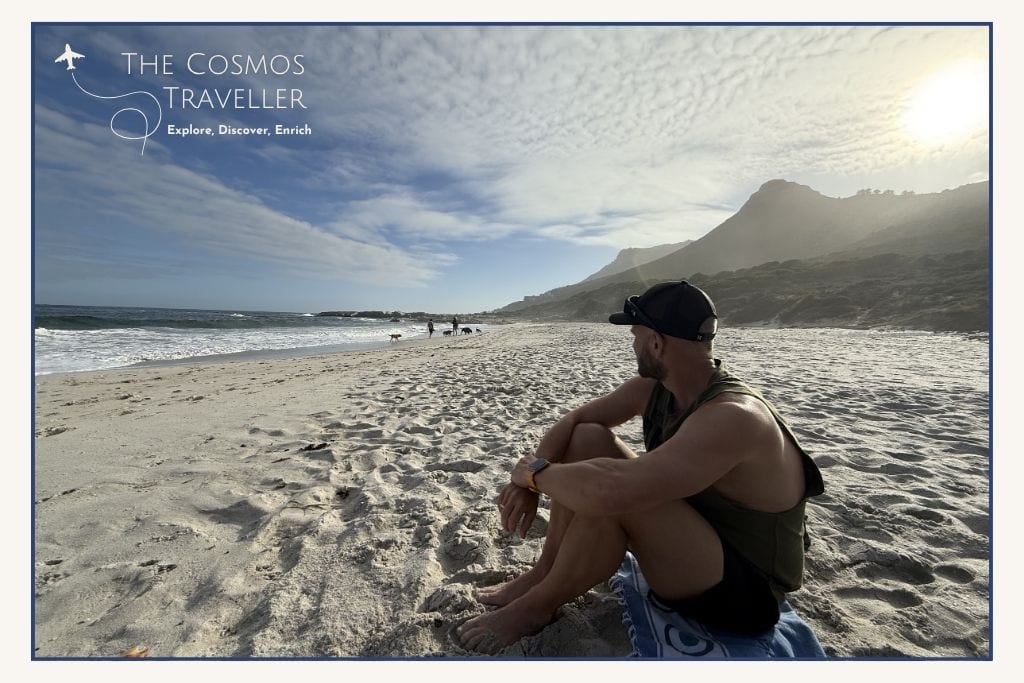
💡 Best for: A quieter, more natural beach experience away from the crowds.
🌿 What it’s like:
Getting to Sandy Bay takes a little effort, which is part of the appeal. Reached either via a walk from the car park and road above or by following the trail from Llandudno, the beach feels rawer and more untouched. Expect expansive white sands surrounded by large granite boulders. The beach has long been associated with Cape Town’s nudist community and also has a reputation as a popular LGBTQ+ spot, particularly towards the far southern end of the beach.
🌊 Swimming: Possible on calmer days, although the Atlantic water remains extremely cold year-round.
📍 Location: South of Llandudno (access via a 20-minute walk from the nearest parking area).
⚠️ Good to know: There are no facilities, shops or toilets here, so bring everything you need for the day
💡 Top Tip: Go earlier in the day if you want easier parking and calmer conditions—the walk back can feel surprisingly long in the afternoon heat.
Tidal Pools & Safe Swimming Spots
Cape Town’s Atlantic coastline isn’t always the easiest place to swim—the water is cold, the waves can be strong, and entry points aren’t always obvious. That’s where tidal pools come in.
Built into the rocks, these pools offer a much more sheltered way to enjoy the ocean, and they’ve become part of daily life for locals and tourists—whether it’s a quick dip, a sunrise swim, or a sunset cool-off.
Below are my favourite spots.
🏊🏼♂️ Graaf’s Pool
Tucked below the Sea Point Promenade, Graaff’s Pool is one of the more unusual swimming spots along the Atlantic Seaboard—less polished than others, but full of character and local history.
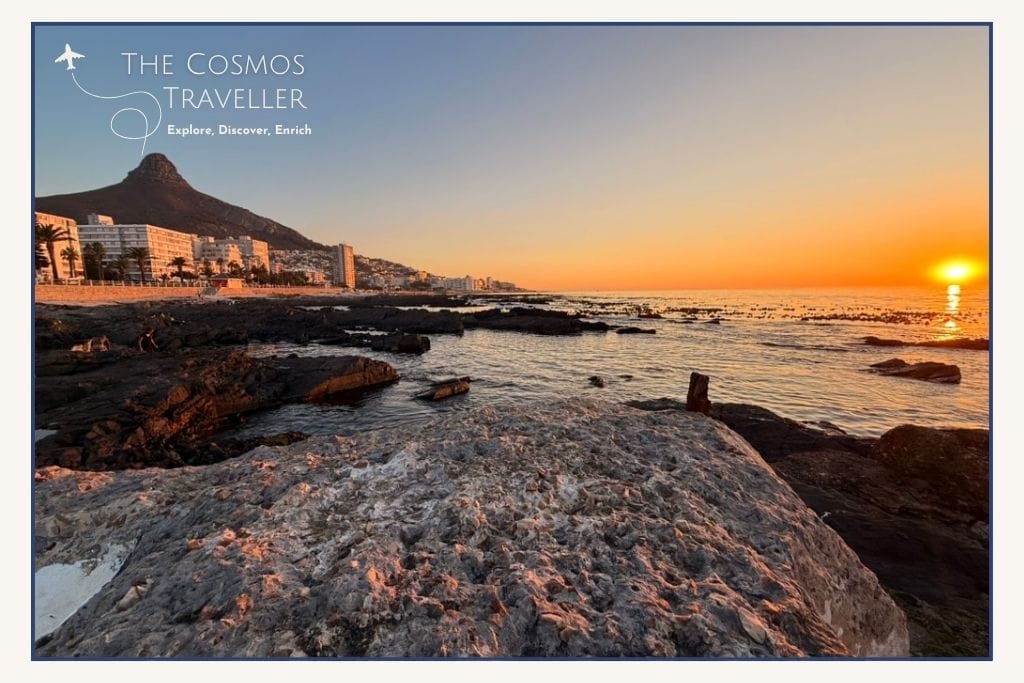
💡 Best for: A quick dip with a bit of local history and character.
🌿 What it’s like:
Graaff’s Pool feels a little different from the more refined tidal pools further along the coast. Built into a natural gully below the promenade, it’s more rugged and less structured—but that’s part of its appeal. The water can be cold, although I swam here during a recent Cape Town heatwave and it was so refreshing.
🌊 Swimming: Best at mid to high tide—entry can be a bit tricky depending on conditions.
📍 Location: Sea Point Promenade, opposite the Bordeaux building.
⚠️ Good to know: There’s a fascinating backstory here. The pool is linked to a private bathing area created in the early 1900s, with local stories suggesting a tunnel once connected it to a nearby villa (called Bordeaux) so the owner’s wheelchair bound wife could access the sea privately.
💡 Top Tip: Time your visit with the tide—this spot is at its best when the water is calm and the pool fills naturally.
🏊🏼♂️ Saunders Rock Tidal Pool
Almost hidden among the rocks at the end of the promenade, Saunders Rock Tidal Pool is one of the most popular and scenic tidal pools in Cape Town.
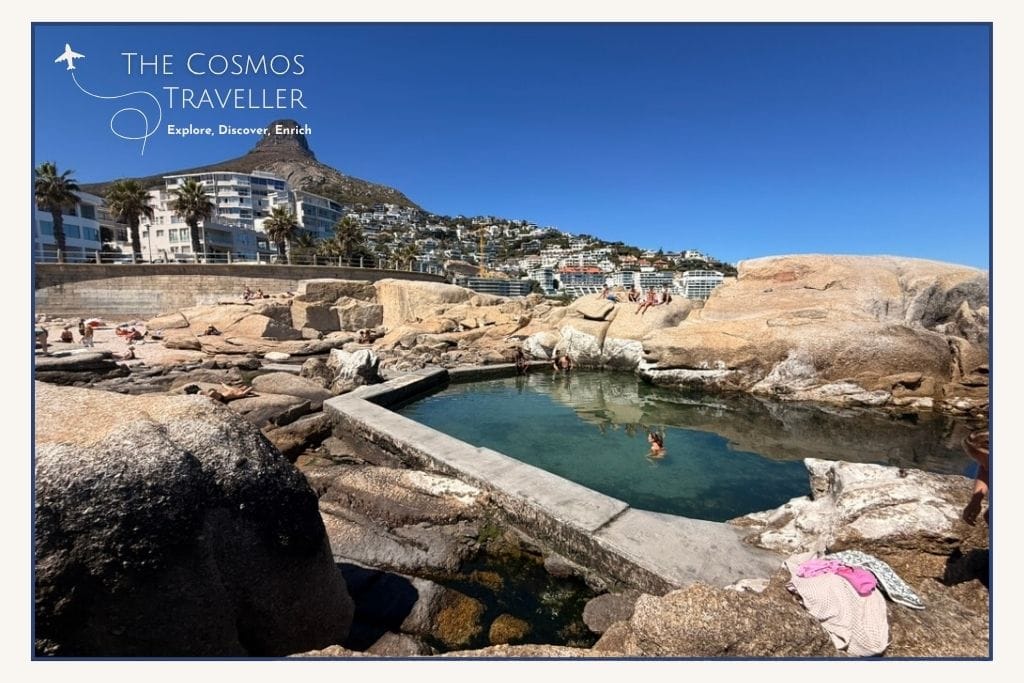
💡 Best for: Sunset swims and easy-access ocean dips.
🌿 What it’s like:
Saunders Rock has a strong local following, especially in the evenings. The pool itself is neatly built into the rocks, with uninterrupted ocean views and a steady flow of swimmers coming and going throughout the day. Expect a mix of regulars, cold-water swimmers, and people stopping by for a quick dip after work. I’ve swum here many times, and it’s easily one of the best sunset spots in the city.
🌊 Swimming: Excellent for swimming—protected from waves, though can still be very cold.
📍 Location: Between Sea Point and Bantry Bay, along the promenade.
⚠️ Good to know: It can get busy around sunset and on warm evenings, but don’t let that put you off.
💡 Top Tip: Bring something warm for after your swim. Sunsets here are beautiful, but the temperature drops quickly once the sun goes down.
🏊🏼♂️ Camps Bay Tidal Pool
Set at the quieter southern end of Camps Bay, Camps Bay Tidal Pool offers one of the most accessible and scenic places to swim along the Atlantic Seaboard.
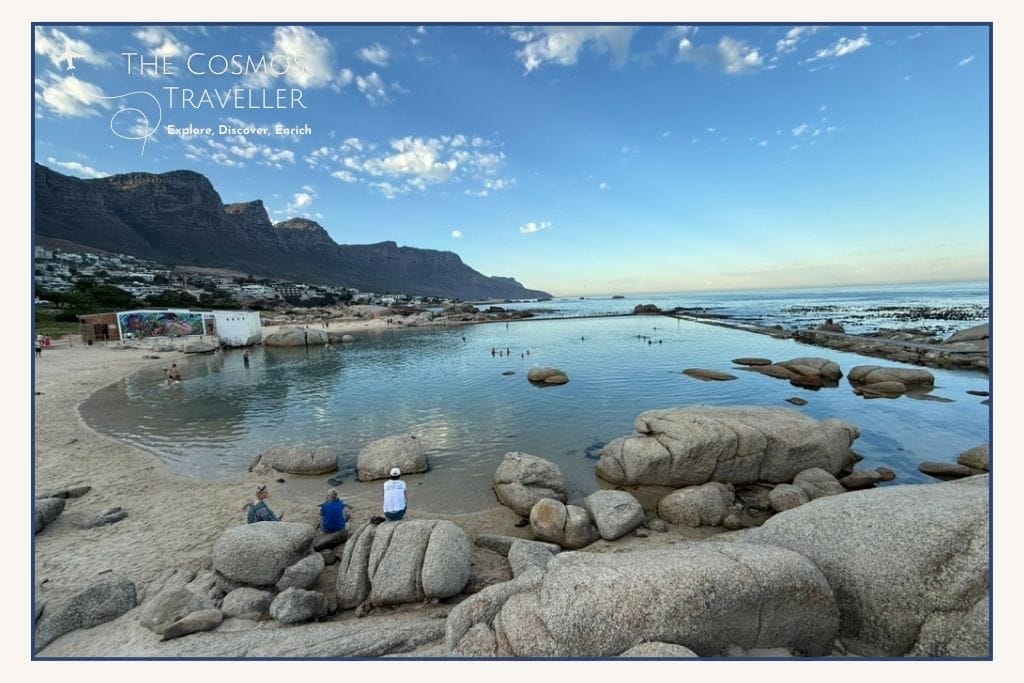
💡 Best for: A scenic, easy-access swim with facilities nearby
🌿 What it’s like:
This is one of the more polished tidal pools in Cape Town, with easy access, nearby cafés, and a relaxed mix of locals and visitors. It’s a spot I come back to often—especially in the mornings. You’ll usually find a few regular swimmers doing laps, joggers cooling off after a run, and others easing into the day with a quick dip.
🌊 Swimming: Very good—calm, protected water and one of the easier places to swim.
📍 Location: Southern end of Camps Bay Beach opposite the Theatre on the Bay.
⚠️ Good to know: It gets busy on weekends and during peak season.
💡 Top Tip: Go early in the morning for a quieter experience—it’s one of the best times to enjoy the pool before the crowds arrive.
🏊🏼♂️ Sea Point Pavilion
While not a tidal pool, Sea Point Pavilion is one of the best places in Cape Town for proper swimming—especially if you’re wanting to swim laps rather than a quick dip.
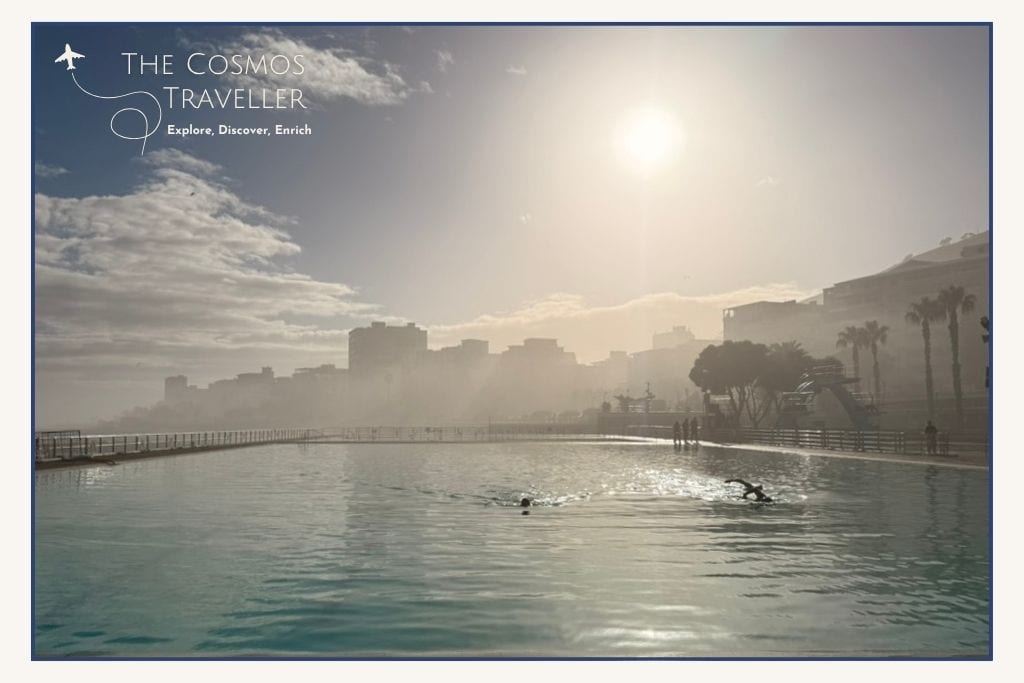
💡 Best for: Lap swimming and a reliable, affordable swim.
🌿 What it’s like:
Set right on the edge of the Atlantic, the Sea Point Pavilion has a slightly nostalgic, community feel. It’s been part of Cape Town life for decades, yet recently renovated. You get a real mix of people here—from serious swimmers to families and locals just cooling off.
I swim here regularly when staying at my house in Green Point, and it’s one of the easiest ways to keep up a routine while in the city.
🌊 Swimming: Excellent—50m Olympic-sized saltwater pool plus smaller pools.
📍 Location: Sea Point Promenade (just below the Mojo Market).
⚠️ Good to know: It gets busy in the afternoons, especially in summer.
💡 Top Tip: Go in the morning if you want a lane—the serious swimmers tend to get there early.
False Bay Beaches (Muizenberg to Kalk Bay)
False Bay offers a completely different side of Cape Town’s coastline. The water here is noticeably warmer, the waves are generally gentler, and the overall atmosphere is far more laid-back and local compared to the Atlantic Seaboard.
This is where you’ll find Cape Town’s most swimmable beaches, with long stretches of shallow water, family-friendly conditions, and a mix of surf culture, tidal pools and everyday coastal life.
🏖️ Muizenberg Beach
Set along the False Bay coastline, Muizenberg Beach is one of the most accessible and swimmable beaches in Cape Town. It is the city’s go-to spot for learning to surf.
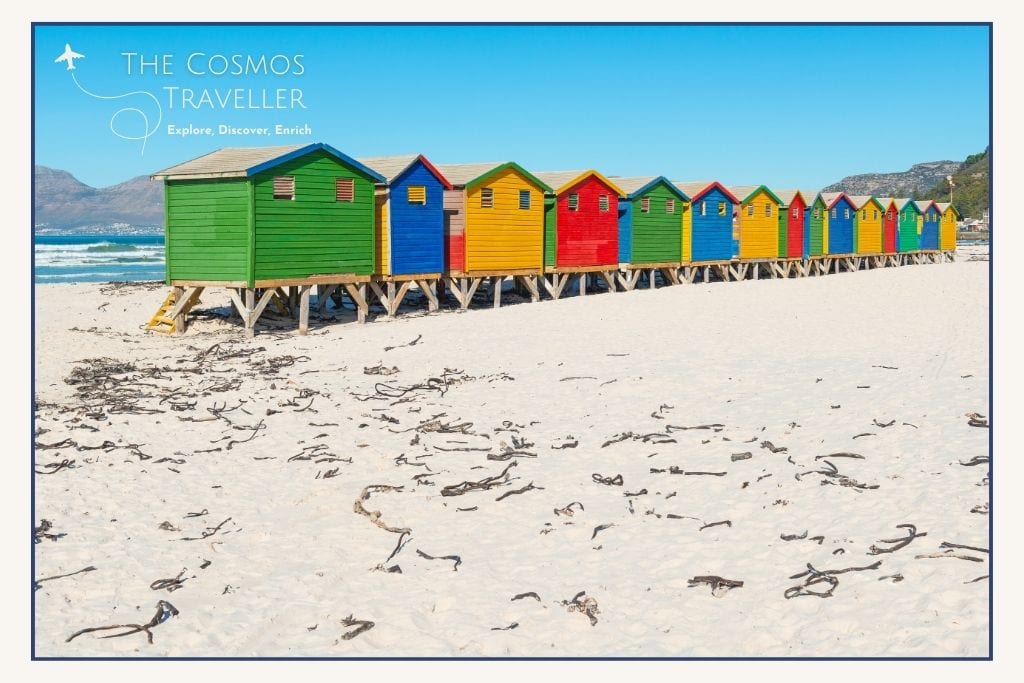
💡 Best for: Beginner surfers, families, and easy swimming.
🌿 What it’s like:
Muizenberg has a very different feel to the Atlantic beaches. Instead of dramatic cliffs and secluded coves, you’ll find a long, open stretch of sand with a relaxed, everyday atmosphere.
It’s best known for its colourful beach huts and “Surfer’s Corner”, where cafés, surf schools and rental shops line the beachfront. The waves here are gentle and consistent, which makes it one of the most popular places in South Africa to learn to surf.
🌊 Swimming: One of the best beaches in Cape Town for swimming—warmer water, gentle waves, and lifeguards during peak season.
📍 Location: False Bay, ~30km from (25–30 minutes by car) from The V & A Waterfront.
⚠️ Good to know: Parts of the beachfront are currently undergoing extensive upgrades, including the promenade and beach huts, with completion expected in 2026.
💡 Top Tip: Head to Surfer’s Corner if you’re keen to try surfing—this is where most lessons and rentals are based.
🏖️ St James Beach
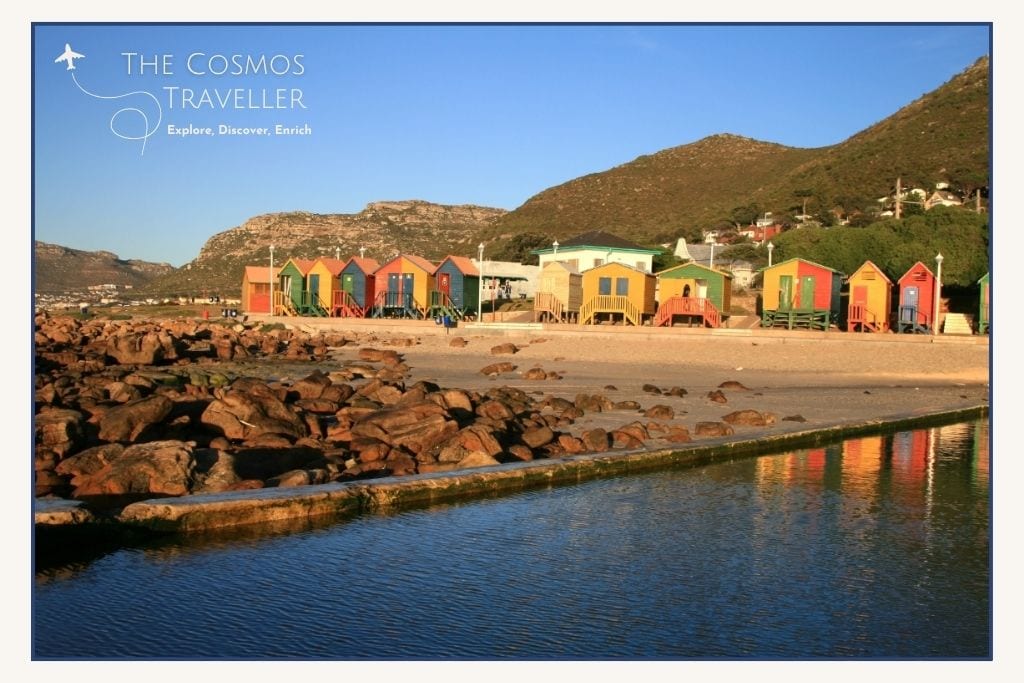
Tucked between Muizenberg and Kalk Bay, St James Beach feels quieter, smaller and far more relaxed than nearby Muizenberg. It’s one of the most charming beaches along the False Bay coastline, known for its colourful Victorian bathing boxes and sheltered tidal pool.
💡 Best for: Families, tidal pool swimming, and a slower-paced beach day
🌿 What it’s like:
St James is a more compact and laid-back beach, with a softer, almost nostalgic atmosphere. The colourful bathing boxes have become one of Cape Town’s most photographed coastal scenes, while the tidal pool offers a calmer and safer place to swim than the open ocean nearby.
🌊 Swimming: Excellent for families thanks to the sheltered tidal pool and calmer False Bay water temperatures.
📍 Location: Between Muizenberg and Kalk Bay on the False Bay coastline.
⚠️ Good to know: The beach is quite small and can become crowded during summer weekends and holidays.
💡 Top Tip: Visit in the morning before the south-easterly wind picks up—False Bay is often at its calmest and most beautiful early in the day.
🏖️ Fish Hoek Beach
Long, wide and noticeably calmer than many other Cape Town beaches, Fish Hoek Beach is one of the best places in the city for an easy, relaxed swim.
💡 Best for: Families, gentle swimming, and long beach walks.
🌿 What it’s like:
Fish Hoek Beach feels practical rather than glamorous—and that’s exactly why so many locals love it. The protected bay, warmer water and long stretch of sand make it one of the easiest beaches in Cape Town to actually spend time in the water. Expect families, dog walkers and open-water swimmers rather than the polished atmosphere of Clifton or Camps Bay.
🌊 Swimming: Excellent—one of the safest and warmest swimming beaches in Cape Town.
📍 Location: False Bay coastline, south of Kalk Bay and St James.
⚠️ Good to know: Shark spotters and lifeguards operate during peak season, particularly in the warmer months.
💡 Top Tip: Walk the Jager Walk coastal path at the southern end of the beach during whale season (June–November) for some of the best whale watching along False Bay.
🏖️ Glencairn Beach
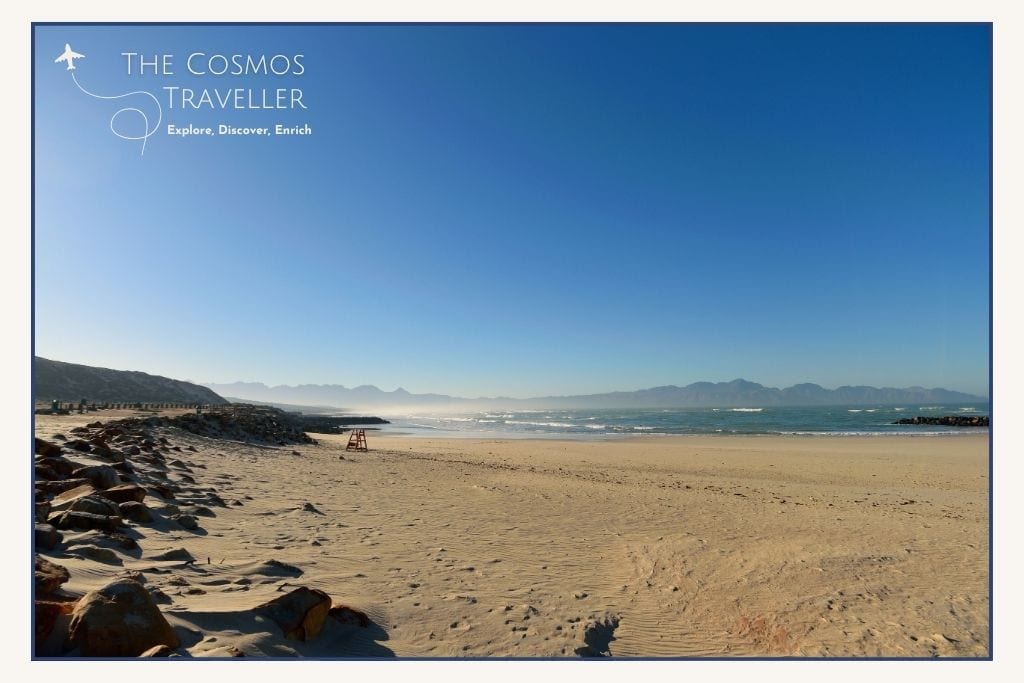
Often overlooked in favour of nearby Kalk Bay or Simon’s Town, Glencairn Beach has a quieter, more local feel that makes it one of the more underrated beaches along False Bay.
💡 Best for: Relaxed beach days, windsurfing, and whale watching.
🌿 What it’s like:
Glencairn feels noticeably calmer and less polished than some of the better-known False Bay beaches, which is part of the appeal. The long stretch of sand, gentler water and mountain backdrop give it a more laid-back atmosphere that tends to attract locals, dog walkers and families rather than big crowds.
Compared to Fish Hoek, Glencairn to me feels a little less built-up and a bit more connected to the natural coastline around it.
🌊 Swimming: Generally good for swimming, with calmer False Bay water and a small tidal pool for sheltered dips.
📍 Location: Between Fish Hoek and Simon’s Town on the False Bay coastline.
⚠️ Good to know: You’ll need to cross the railway line or use the subway from Glencairn Station to reach parts of the beach.
💡 Top Tip: Combine Glencairn with nearby Simon’s Town or Boulders Beach—it works particularly well as a quieter stop along a False Bay road trip.
Tidal Pools & Safe Swimming Spots
🏊🏼♂️ St James Tidal Pool
Set directly beside the beach, St James Tidal Pool is one of the most iconic tidal pools in Cape Town—and one of the best for families.
💡 Best for: Safe swimming and classic False Bay scenery.
🌿 What it’s like:
Protected by a large curved wall, the tidal pool creates a calm swimming area that feels much gentler than the open ocean beyond it. During high tide, waves crash dramatically against the outer wall while the pool itself remains relatively calm, which adds to the atmosphere without making swimming difficult.
🌊 Swimming: Very good—sheltered, calm and generally warmer than Atlantic tidal pools.
📍 Location: Adjacent to St James Beach.
⚠️ Good to know: Large waves can break against the outer wall during high tide, so avoid standing too close to the edge.
💡 Top Tip: Combine a swim here with breakfast or coffee in nearby Kalk Bay—it’s one of the best slow mornings you can have in Cape Town.
Cape Peninsula Beaches (Simon’s Town to Cape Point)
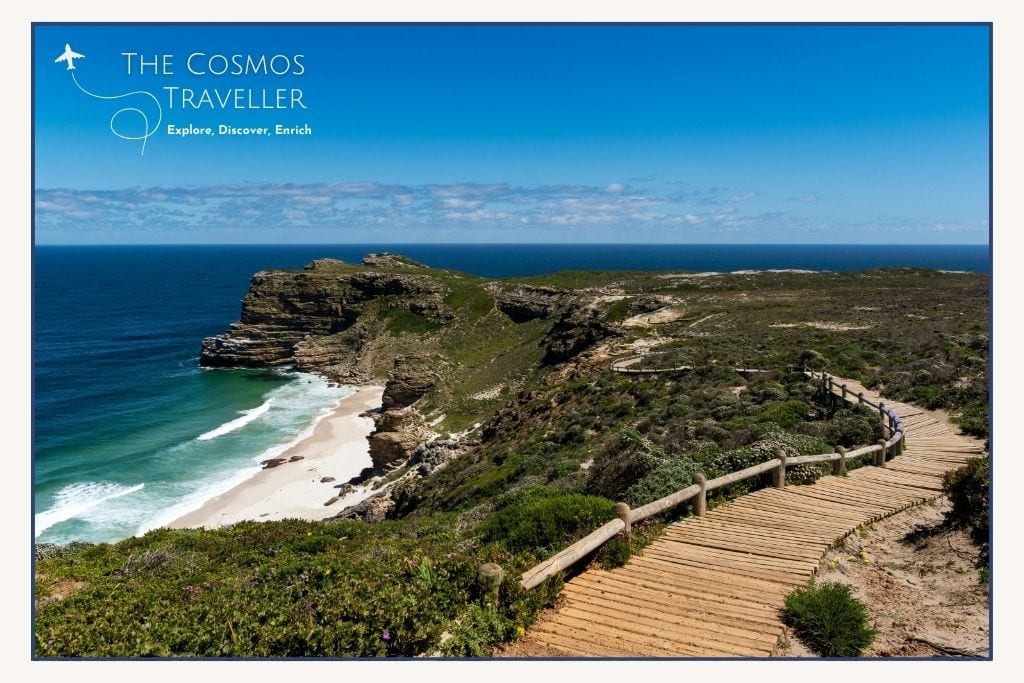
Heading further south along False Bay towards Cape Point National Park, the coastline starts to feel wilder, quieter and more connected to nature. This part of the Cape Peninsula is home to some of Cape Town’s most scenic beaches, including one of the world’s top 50 beaches, famous for its colony of endangered African penguins.
These beaches also fit perfectly into a wider peninsula route as featured in my detailed Cape Town itinerary guide.
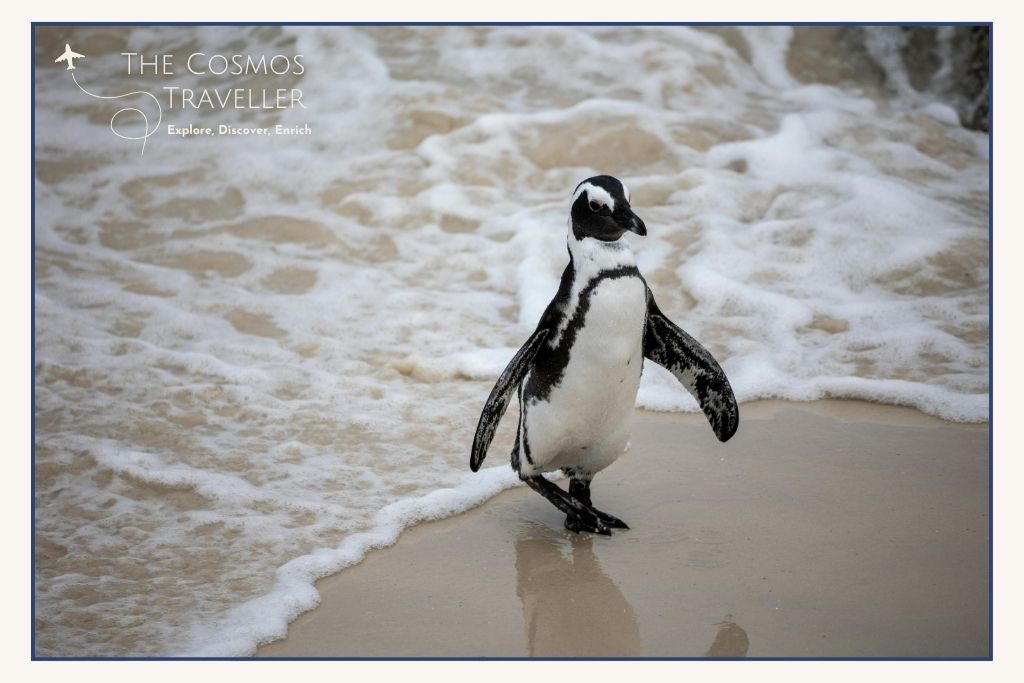
🏖️ Boulders Beach
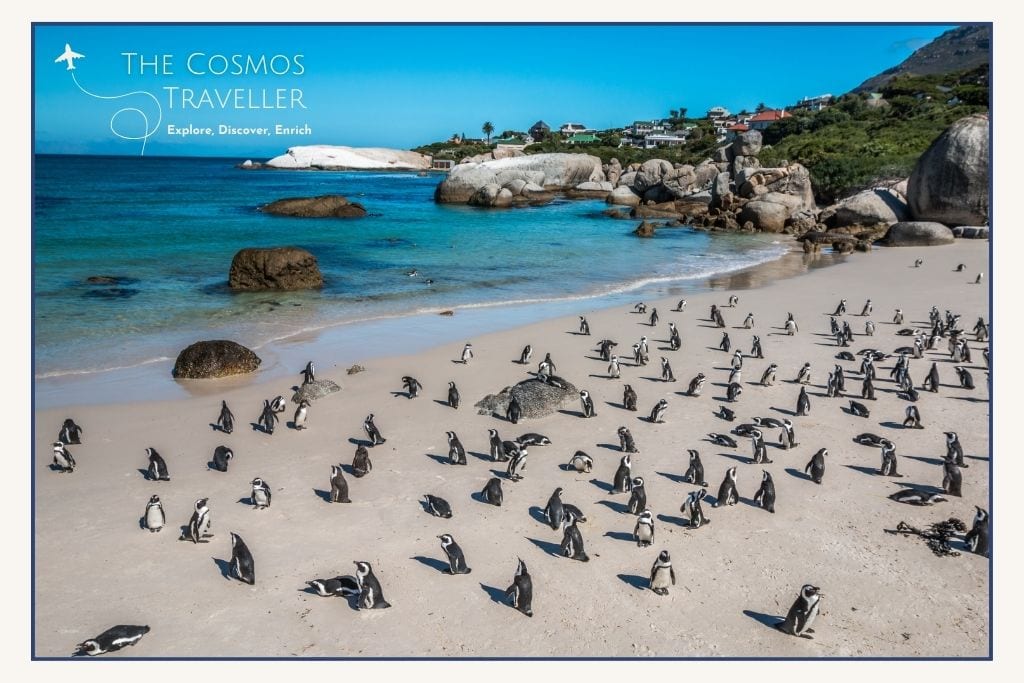
Famous for its colony of endangered African penguins, Boulders Beach is one of the most unique beaches in Cape Town—and one of the few places in the world where you can see penguins up close in the wild.
Managed by SAN Parks as part of the Table Mountain National Park Marine Protected Area, the beach is both a major tourist attraction and an important conservation site.
💡 Best for: Wildlife lovers and first-time visitors to Cape Town.
🌿 What it’s like:
Boulders Beach is made up of several small coves sheltered by enormous granite boulders, which help keep the water calmer and slightly warmer than many Atlantic beaches.
I recommend heading to nearby Foxy Beach, where elevated wooden boardwalks allow you to see the penguins without disturbing their habitat. Further along, the main swimming beach offers soft white sand, clear water and shallow areas that are ideal for families.
🌊 Swimming: Calm, sheltered and generally warmer than the Atlantic Seaboard.
📍 Location: Simon’s Town, around 45 minutes to 1 hour from Cape Town.
⚠️ Good to know: There is an entrance fee as the beach forms part of Table Mountain National Park, and parking can be limited during peak season.
💡 Top Tip: Arrive early in the morning if you want to avoid the biggest crowds and have a better chance of seeing the penguins more actively moving around.
🏖️ Windmill Beach
Just south of Boulders Beach, Windmill Beach feels like a quieter, more local alternative—with many of the same granite boulders, calmer water and occasional penguin sightings, but without the entrance fee or large crowds.
💡 Best for: Families, snorkelling and a quieter alternative to Boulders Beach.
🌿 What it’s like:
Tucked away beside the Simon’s Town golf course, Windmill Beach is a small sheltered cove with shallow water, soft sand and large granite boulders that help protect the bay from waves and wind. It feels calmer and less touristy than nearby Boulders, with a more relaxed local atmosphere.
🌊 Swimming: Calm, shallow and good for snorkelling on clear days.
📍 Location: Simon’s Town, just south of Boulders Beach.
⚠️ Good to know: There are no lifeguards or shark spotters on duty.
💡 Top Tip: Bring snorkelling gear if you have it—the rocky reef areas are surprisingly good for spotting marine life.
🏖️ Buffels Bay
Located within the Cape Point Nature Reserve Buffels Beach feels far more remote than most beaches closer to the city.
💡 Best for: Families, picnics and combining with a Cape Point day trip.
🌿 What it’s like:
Buffels Bay is a sheltered beach surrounded by rugged coastline and fynbos vegetation. There is a large tidal pool that is ideal for exploring at low tide. Expect a relaxed almost old-school feel here, with grassy picnic areas rolling right down towards the sand and the ocean.
🌊 Swimming: Best enjoyed in the tidal pool and calmer sheltered sections of the beach.
📍 Location: Located inside the Cape Point National Park.
⚠️ Good to know: An entrance fee is required to enter the national park.
💡 Top Tip: Bring a picnic or braai supplies and spend a few relaxed hours here after exploring Cape Point.
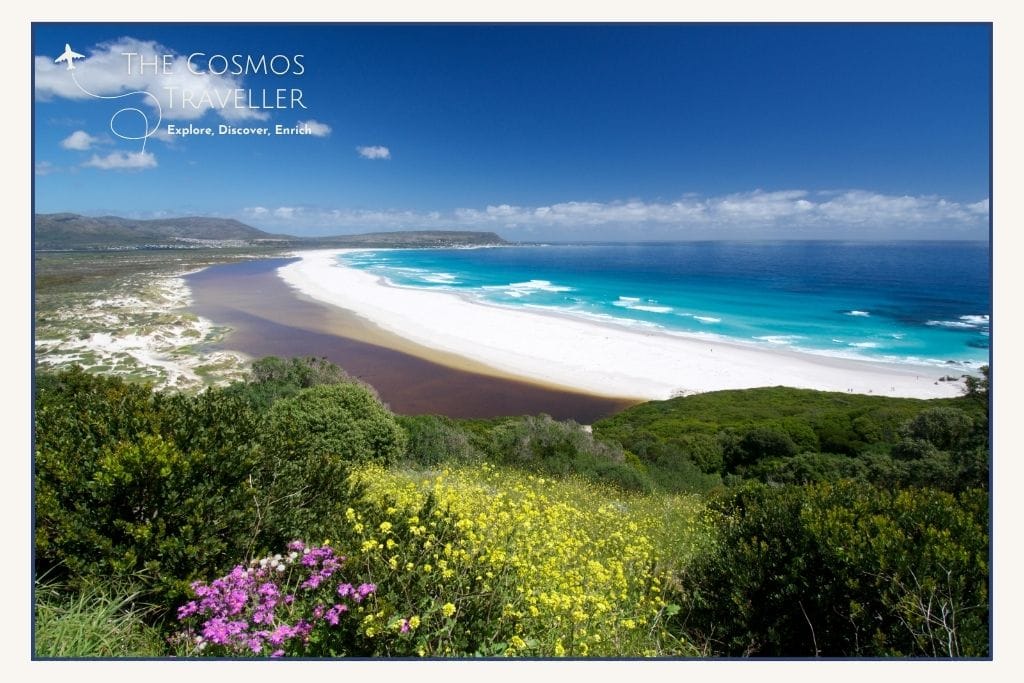
🏖️ Noordhoek Beach
Stretching for almost 8 kilometres beneath the dramatic cliffs of Chapman’s Peak Drive, Noordhoek Beach feels wild, open and completely different to the more sheltered beaches around Cape Town.
💡 Best for: Long beach walks, horse riding and dramatic scenery.
🌿 What it’s like:
Noordhoek is one of those beaches that immediately feels vast. The wide expanse of sand, rolling waves and mountain backdrop create a more rugged Atlantic coastline experience, and because the beach is so large it rarely feels crowded.
It’s especially popular for dog walking, horse riding and water sports, while the drive down Chapman’s Peak alone makes the trip worthwhile.
🌊 Swimming: Better for experienced swimmers and surfers—the Atlantic water here is cold and the sea can be rough.
📍 Location: Noordhoek, along Chapman’s Peak Drive between Hout Bay and Kommetjie.
⚠️ Good to know: Strong currents and rougher surf conditions make this less suitable for casual swimming.
💡 Top Tip: Combine Noordhoek with a scenic drive along Chapman’s Peak or a full Cape Peninsula day trip. You can also include it in a wider route as featured in my Cape Town itinerary page.
What to Know Before You Go
A little planning goes a long way when visiting Cape Town’s beaches. Water temperatures, wind conditions and ocean safety can vary significantly depending on which side of the peninsula you visit.
🌡️ Water Temperature
The Atlantic Seaboard is noticeably colder than False Bay, with sea temperatures often around 4–6°C lower.
While many visitors assume False Bay is part of the Indian Ocean, it is technically still Atlantic Ocean water, influenced by warmer currents moving down from the Indian Ocean around Cape Agulhas.
In summer expect average sea temperatures as follows:
- Atlantic Seaboard: ~14°C — 18°C
- False Bay: ~18°C — 20°C
January & February are typically the warmest months for swimming.
🏊🏼♂️ Swimming Safety
Cape Town’s beaches can experience strong waves, currents and rip tides, particularly along the Atlantic coastline. It is always safest to swim at beaches where lifeguards and shark spotters are operating.
⚠️ If caught in a rip current, stay calm and swim parallel to the shore until you are free of the current before heading back diagonally towards the beach.
While Cape Town and more specifically False Bay is known for Great White sharks, actual incidents involving swimmers are extremely rare. The City of Cape Town operates a world-renowned Shark Spotters program especially on more popular beaches in False Bay. Check the flag systems in operation on popular beaches
- 🟩 Spotters are on duty, no sharks have been sighted
- 🟥 Increased risk of shark activity/sharks have been recently spotted
- ⬛️ Poor visibility for spotting
- ⬜️ Sharks spotted in the immediate vicinity – exit the water immediately (a siren may also sound)
⚠️ Beaches without lifeguards or shark spotters should be approached with extra caution.
⛑️ General Safety Tips
- Avoid isolated beaches alone, especially early morning or late evening
- Don’t leave valuables visible on the beach or in parked cars
- Check tide and weather conditions before swimming
- Mornings are often calmer before the south-easterly wind (“Cape Doctor”) strengthens later in the day
- Alcohol is prohibited on most Cape Town beaches and police do carry out checks, particularly during summer and holiday periods
Useful emergency numbers in South Africa:
- 🛟 NSRI: 021 449 3500
- 🚑 Ambulance: 10 177
- 🚓 Police: 10 111
- 🦈 Shark Spotters Emergency Line: 021 480 7700
If it’s your first time visiting the city, I also recommend reading my full Cape Town safety guide.
Frequently Asked Questions about Cape Town Beaches
Are Cape Town beaches safe?
Most popular Cape Town beaches are generally safe during the day, especially busy beaches such as Clifton, Camps Bay, Muizenberg and Boulders Beach. It’s still important to take normal precautions: avoid isolated beaches alone, don’t leave valuables unattended, and pay attention to lifeguard and shark spotter warnings where applicable.
Can you swim in Cape Town?
Yes, although water temperatures vary significantly depending on location. False Bay beaches such as Muizenberg, Fish Hoek and Boulders Beach are noticeably warmer and better suited to swimming, while the Atlantic Seaboard tends to be colder year-round. Tidal pools are also a great option for safer, calmer swimming.
Which beach is the warmest?
The warmest beaches in Cape Town are generally found along False Bay. Muizenberg, Fish Hoek and Boulders Beach typically have noticeably warmer water than beaches along the Atlantic Seaboard.
Which beaches are least windy?
Clifton’s beaches are among the least windy in Cape Town thanks to the large granite boulders that shelter the coves from the south-easterly wind. Beta Beach and Windmill Beach are also good options on windier days.
The Wrap-Up: Are Cape Town Beaches Worth Visiting?
Absolutely. There are few cities in the world that can compete with the variety of beaches you will find in Cape Town. From the dramatic white sand beaches of the Atlantic Seaboard to the warmer swimming beaches of False Bay, and then the natural, wild beauty of the Cape Peninsula.

Personally, despite the cooler water temperatures, I regularly visit the beaches along the Atlantic Seaboard. I’ve spent countless mornings swimming in the tidal pools, watching sunsets over Camps Bay and Saunders Pool in Bantry Bay, as well as enjoying long beach days in Sandy Bay and Llandudno.
If you’re staying close to the city, the Atlantic Seaboard beaches are hard to beat for scenery and atmosphere. But if you have more time, exploring the False Bay coastline and Cape Peninsula is absolutely worthwhile, especially if it is your first visit to Cape Town.
And of all the beaches in the city, Boulders Beach is the one place, I genuinely don’t think should be missed.
Plan Your Trip With My Favourite Resources
👇🏼 Save this guide, share it with your travel companions, and don’t forget to pin, post, or message it to yourself for later.

Written by Richard Hoskisson
Founder of The Cosmos Traveller
With over 30 years of travel experience across France, South Africa, the UAE and Greece – and many more far flung places – Richard helps curious travellers explore hidden gems, discover culturally-rich adventures and enrich their travel stories.
Published May 2026